Corpus
What a piece of work is a man, how noble in reason, how infinite in faculties, in form and moving how express and admirable, in action how like an angel, in apprehension how like a god! The beauty of the world, the paragon of animals—and yet, to me, what is this quintessence of dust? Man delights not me— nor woman neither, though by your smiling you seem to say so.
The Tragedy of Hamlet, Prince of Denmark (Act II, Scene ii, 285-300)
This exhibition investigates the many ways in which art and visual imagery reflect and shape our understanding of the body and its life processes. Our bodies are our primary resource for information both about the environment and the broader social context in which we exist. Fundamental events in our lives such as birth, aging, and death form a collective tapestry of human experience. Attempts to understand the relationship between physical body and existence include scientific theories of human evolution to more transcendent ideological pursuits like religion. These attempts form the basis of a longstanding human quest: to better understand our origins, our place in the now, and our prospects for the future.
Corpus, the Latin word for “body,” has been an integral concept in shaping knowledge in the West. The rite of Holy Communion in Christianity begins with the words of Jesus: “This is my body,” and was institutionalized in feast days known as Corpus Christi or “the body of Christ.” The term habeas corpus, which appears in the Magna Carta of 1215, means literally “bring forth the body.” It stands as a cornerstone of Euro-American legal code, which guarantees the right to trial.
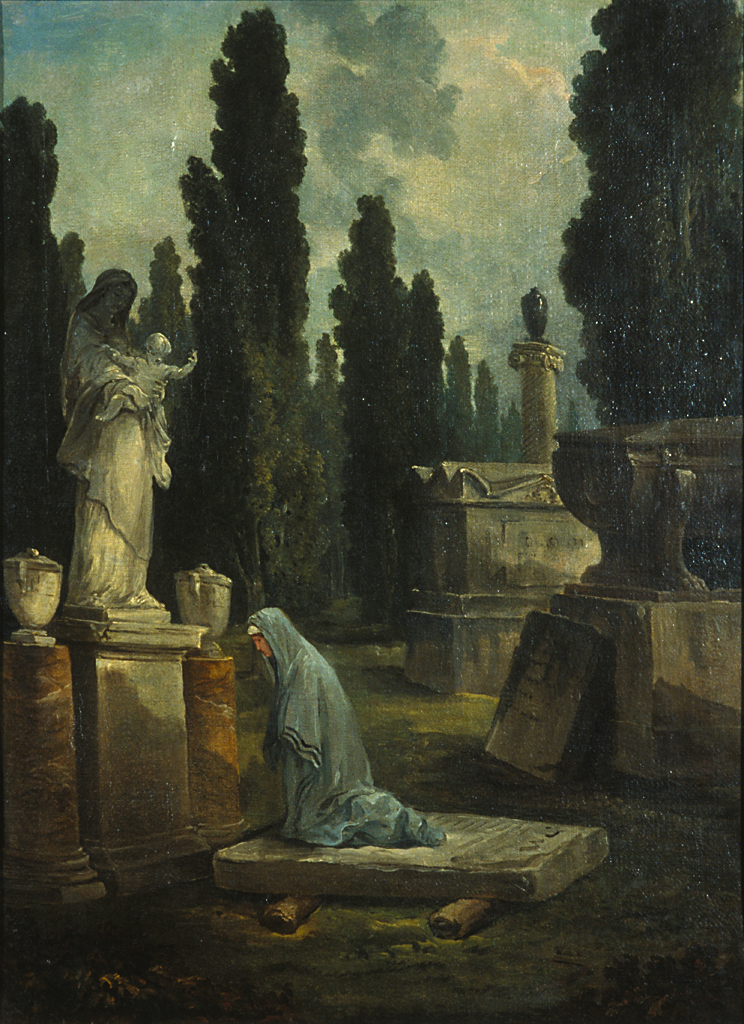
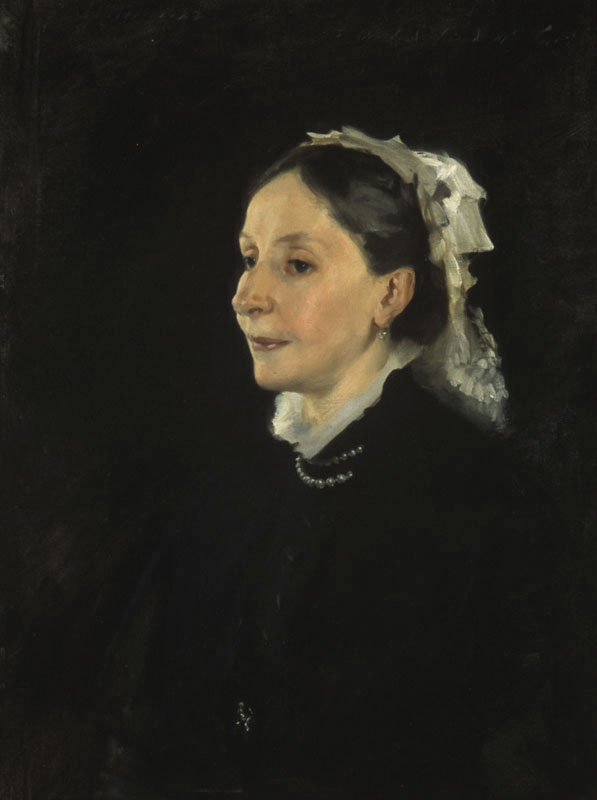
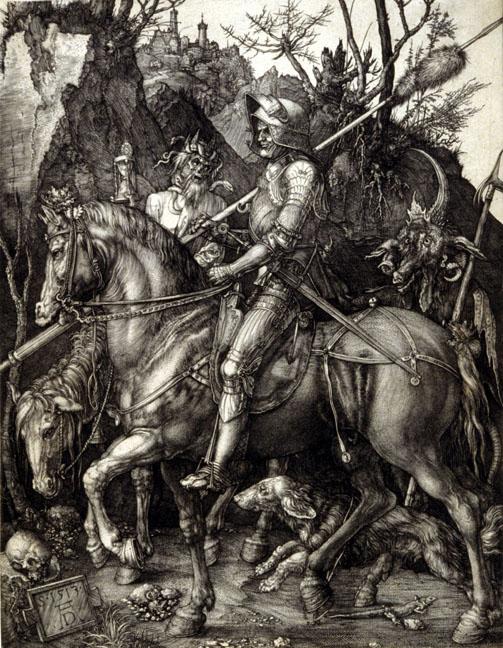
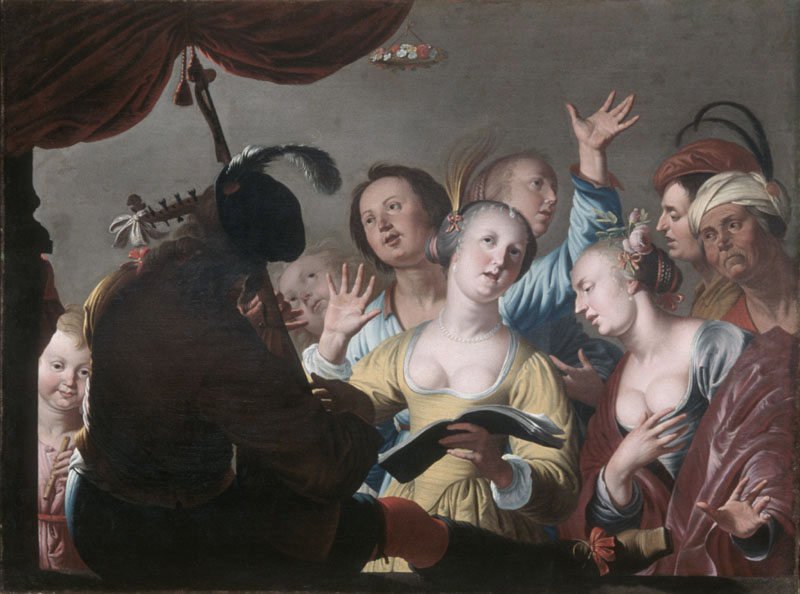
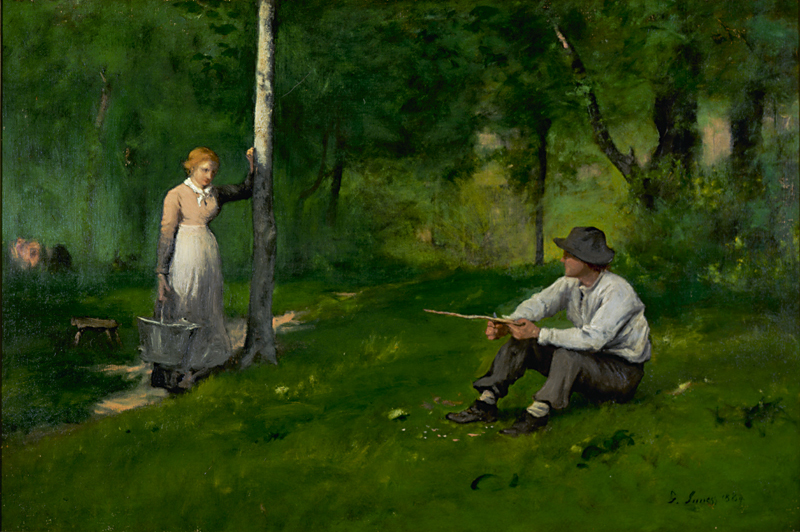
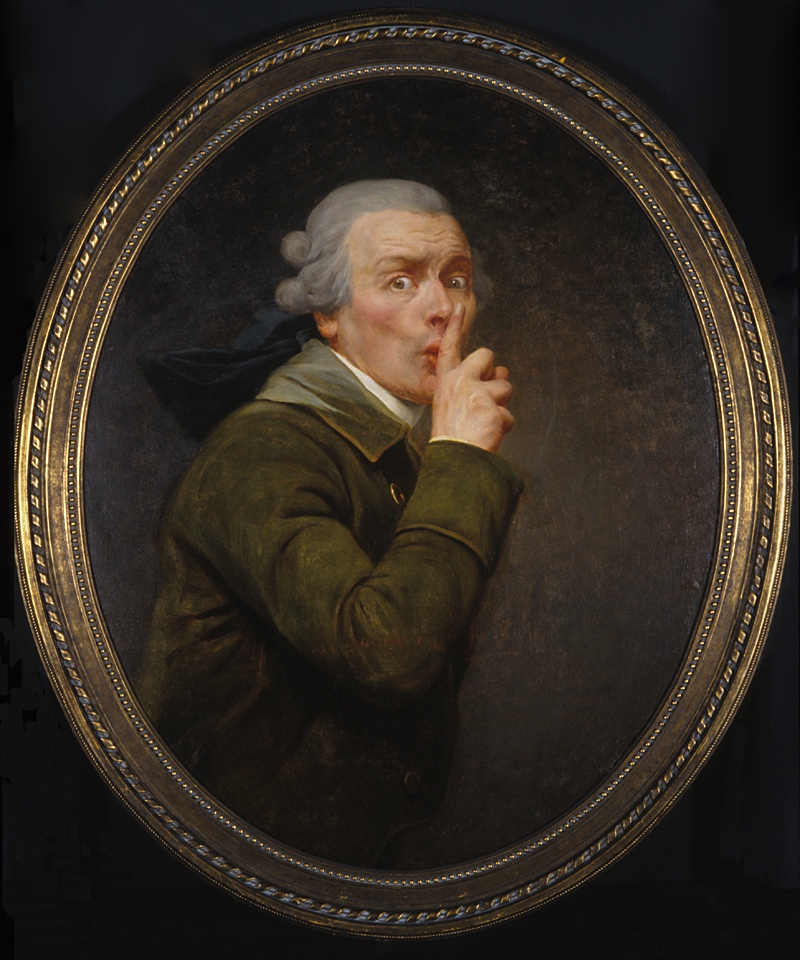
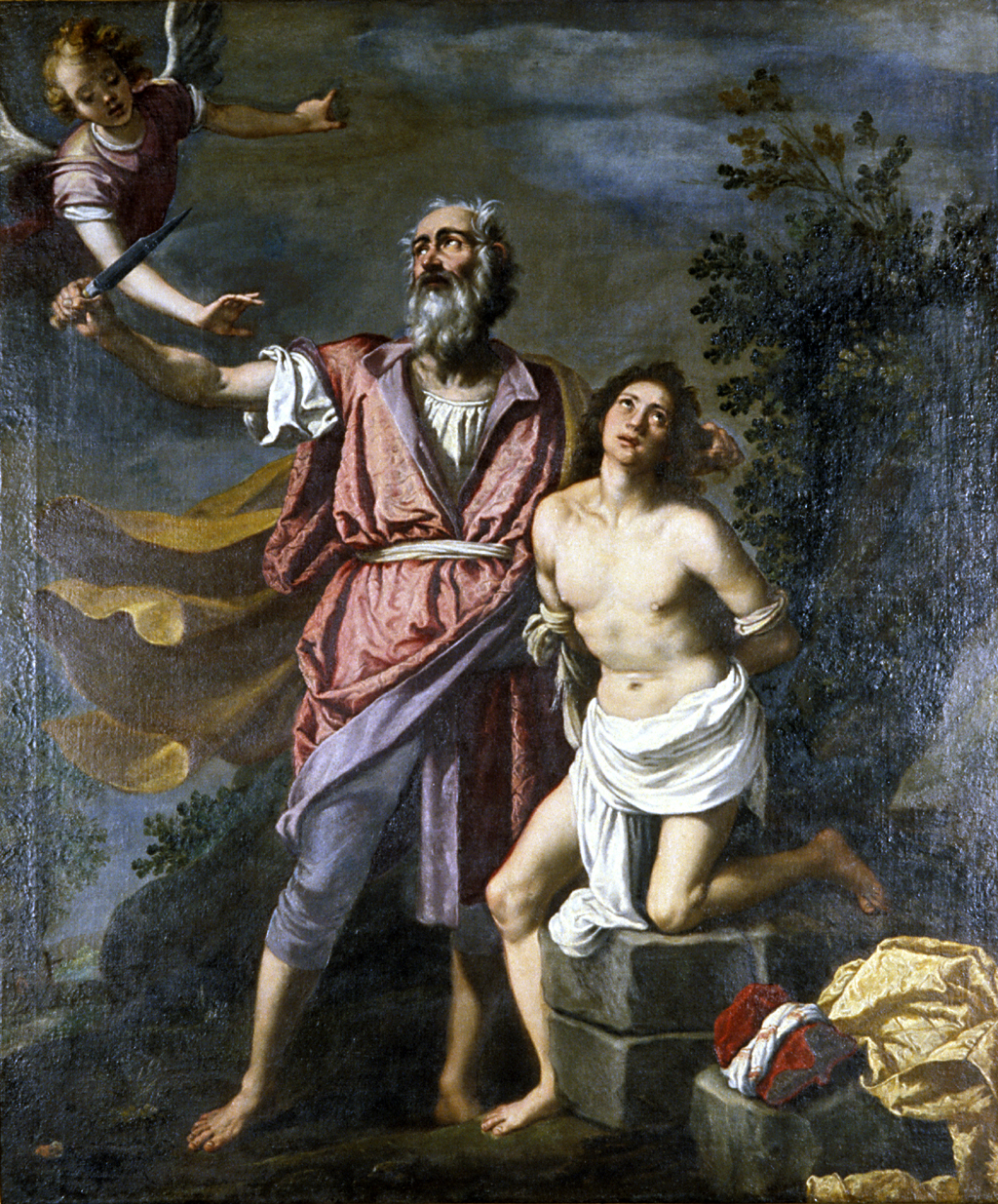
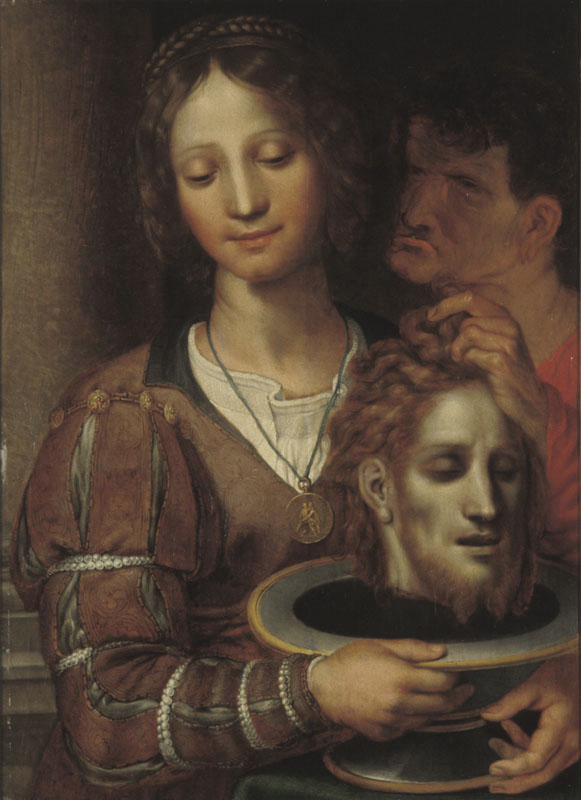
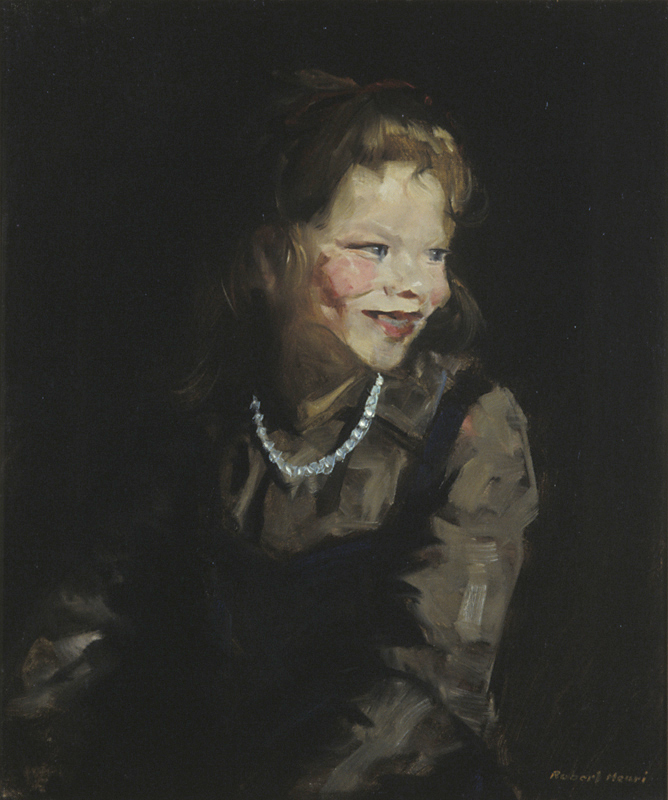
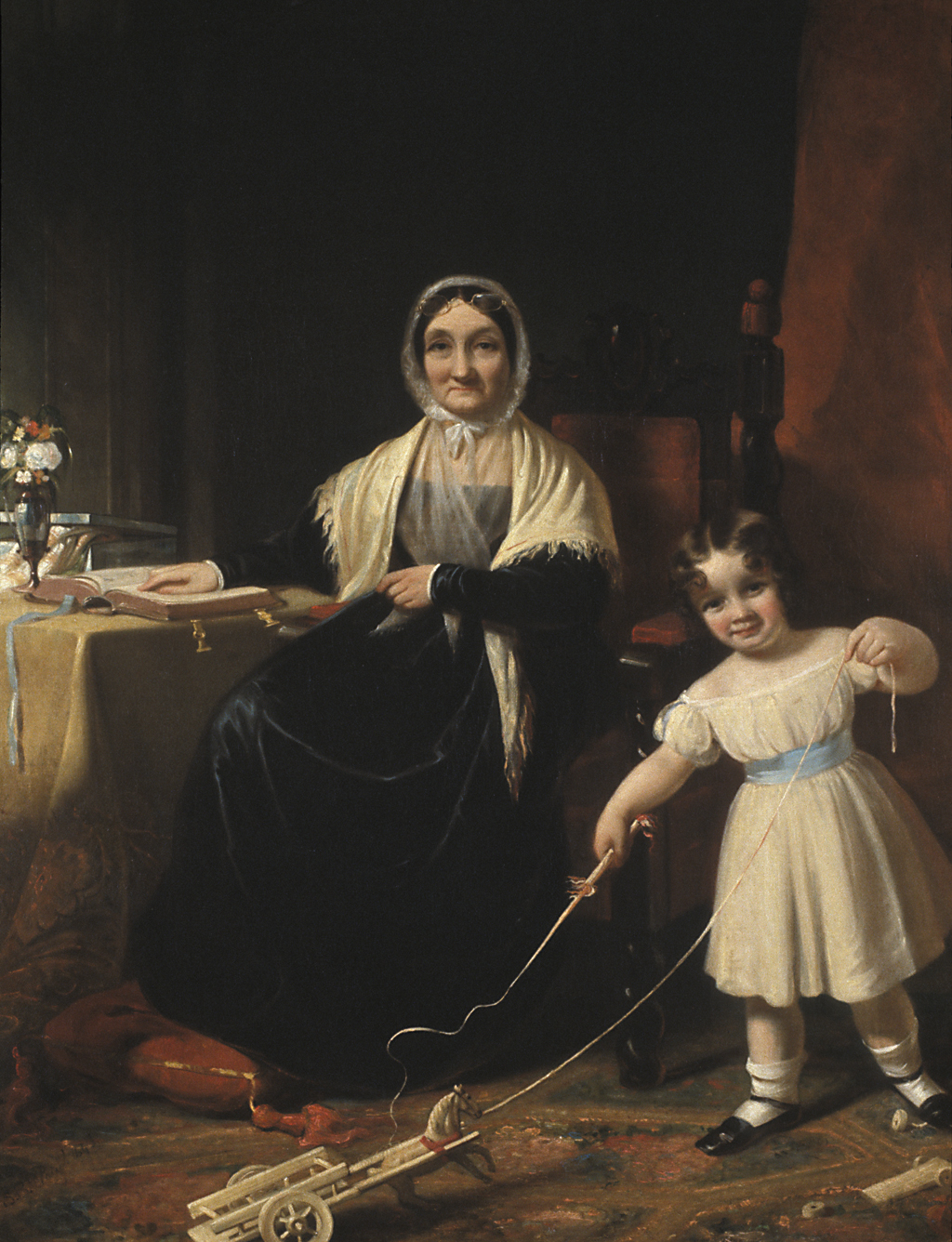
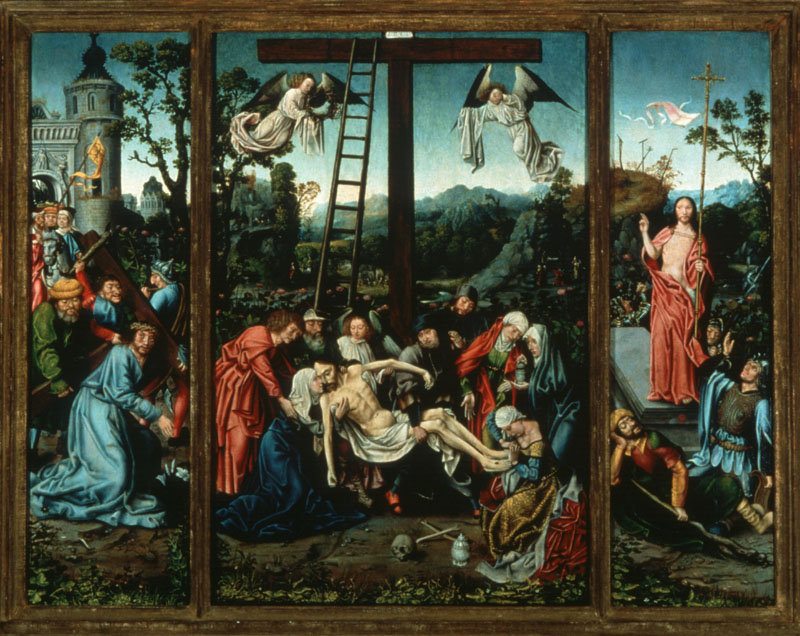
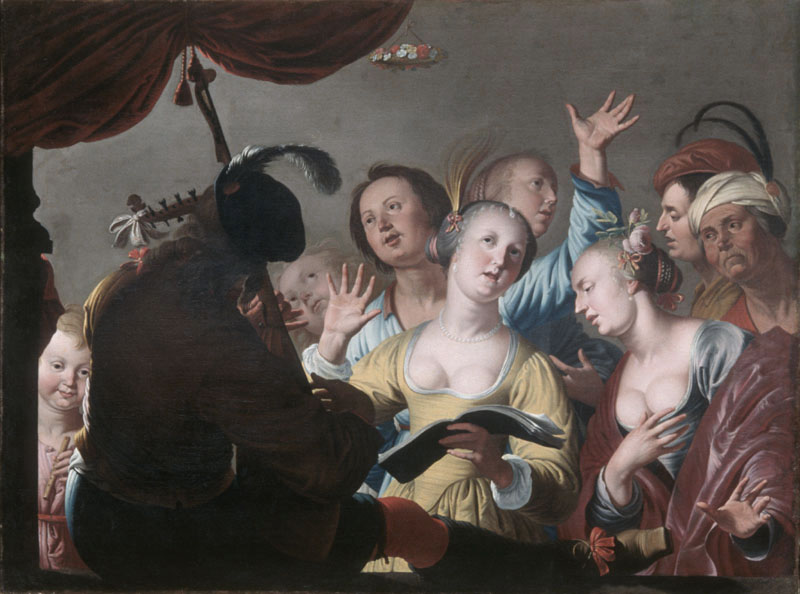
Divided into five distinct sections, Corpus begins with the question of “where do we come from?” This celebration of youthful exuberance is followed by an examination of the ways in which we are socialized, paying close attention to pictorial strategies like portraiture. The heart of the exhibition delves into core experiences such as pain and suffering that shape ideas about faith and devotion. The fourth section of the exhibition looks at the body in motion, ways in which gesture and posture of the human form communicate meaning. The final section concludes with a cross-cultural exploration of death and memory from Neolithic mortuary culture to more recent depictions of aging, sickness, and grieving.